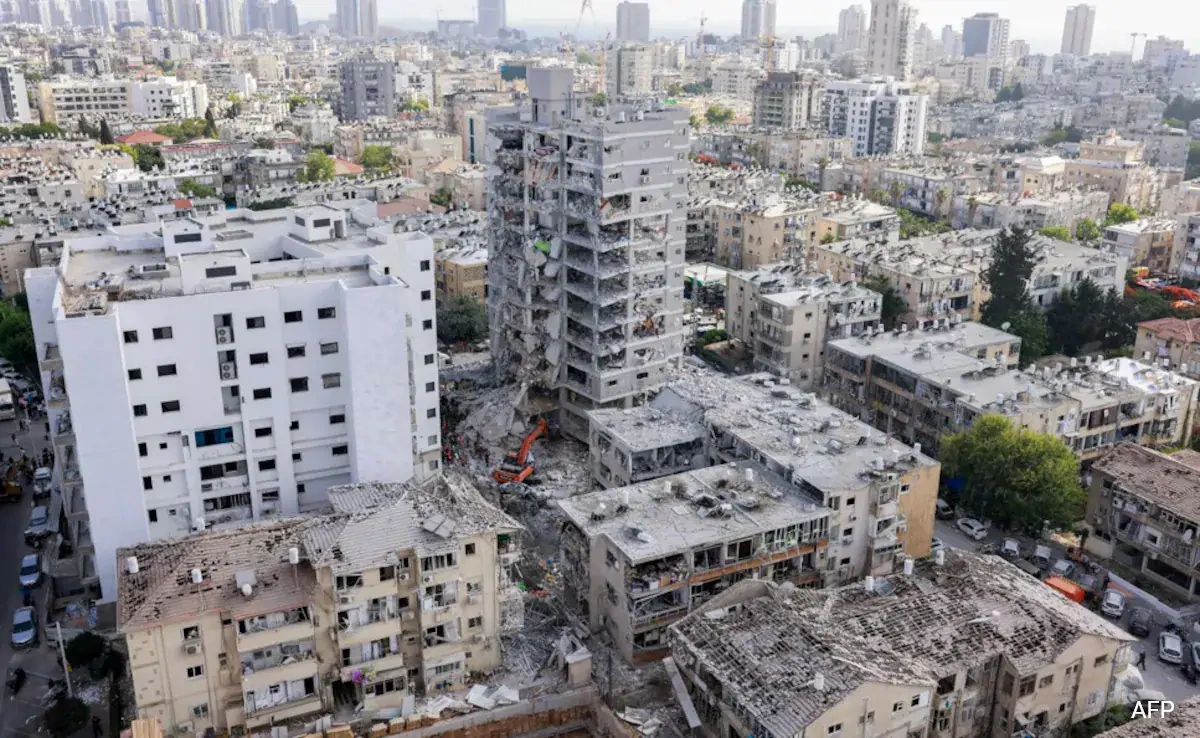
The Unforeseen Path from Conflict to Caution: Unraveling 'Destructions Téhéran Israël'
In an age dominated by instant information, search engines often become our first port of call for understanding complex global events. A query like "destructions Téhéran Israël" naturally implies a search for geopolitical analysis, reports of conflict, or humanitarian impact. It speaks to a profound human need to comprehend crises and their ramifications. Yet, the digital landscape is full of unexpected detours, sometimes leading us to insights far removed from initial expectations. What if such a high-stakes search unexpectedly brought forth an entirely different realm of knowledge – one focused not on conflict, but on the meticulous prevention of harm?
This article embarks on that very journey. While the search term "destructions Téhéran Israël" conjures images of geopolitical tension, our exploration surprisingly uncovers the critical world of Chinese safety standards. This apparent divergence isn't a glitch, but rather an invitation to consider how interconnected global systems are, and how foundational elements like robust safety protocols underpin even the most seemingly unrelated international activities. We delve into how unexpected search results can illuminate vital, often overlooked, aspects of global stability and infrastructure, providing a unique lens through which to view a world striving for order amidst potential chaos.
The Serendipitous Link: How Geopolitics Can Reveal Global Standards
The journey from a search about "destructions Téhéran Israël" to an exploration of Chinese safety standards might seem like a digital anomaly. One might ponder how an algorithm, designed to provide relevant information, could make such a leap. The answer often lies in the intricate web of global commerce, infrastructure development, and the very architecture of information retrieval itself. While direct articles about the conflict might be inaccessible or yield different results, a broader understanding of global operations often leads to universal principles—like safety.
Consider the scale of Chinese involvement in global infrastructure projects, from the Belt and Road Initiative to construction and manufacturing worldwide. Any major project, especially in sensitive regions, demands adherence to stringent safety protocols to prevent accidents and ensure sustainability. Therefore, a comprehensive analysis of any large-scale activity, even those with geopolitical undertones, might eventually circle back to the foundational elements that make such activities possible and safe. This unexpected connection highlights a crucial truth: unexpected results in searches like 'destructions Téhéran Israël' can yield crucial insights into foundational safety standards, reminding us that prevention is a universal endeavor.
The global impact of any potential "destructions" would invariably involve infrastructure, human safety, and the systems designed to protect them. This is where standardized safety practices, irrespective of their origin, become paramount. They are the silent guardians of progress, ensuring that even amidst the loudest geopolitical narratives, the fundamental principles of preventing harm remain intact.
Decoding Chinese Safety Standards: The Power of GB2894-2025
The pivot from geopolitical tensions to the granular world of safety standards brings us face-to-face with crucial regulatory frameworks, notably China's GB2894-2025. This standard, focusing on "Safety Colors and Safety Signs," is not merely a bureaucratic document; it's a meticulously crafted guide designed to enhance workplace safety, prevent accidents, and save lives across various industries. Its recent implementation, effective March 1st, signifies China's ongoing commitment to aligning its industrial safety practices with international best standards and continuously improving its preventative measures.
What GB2894-2025 Entails:
- Safety Colors: These are the universal language of danger, caution, and mandatory action. GB2894-2025 refines the application of colors like red for stop/danger, yellow for caution, green for safety/emergency exits, and blue for mandatory actions. The standard specifies precise chromaticity coordinates and luminance factors to ensure maximum visibility and unambiguous interpretation, even in challenging environments.
- Safety Signs: Beyond colors, the standard dictates the design, content, and placement of safety signs. These include warning signs (e.g., "Beware of electric shock"), prohibitory signs (e.g., "No smoking"), mandatory signs (e.g., "Wear hard hat"), and emergency escape/first aid signs. The new standard emphasizes clearer graphics, standardized symbols, and logical hierarchy in sign arrangement (as per GB2894-2025's companion standard on "Safety Sign Board Sorting Rules and Setting Standards") to improve instant comprehension, especially in emergency situations.
- Categorization and Application: The standard provides detailed guidelines for applying these colors and signs across diverse settings: industrial factories, construction sites, public transportation, and chemical plants. It ensures consistency, reducing confusion and response time during critical incidents.
- Harmonization and Evolution: The "new vs. old" comparison of GB2894-2025 with its predecessors highlights an evolution towards greater clarity, improved visual impact, and better alignment with international ISO standards. This global harmonization is crucial for multi-national corporations operating within China and for Chinese enterprises operating abroad, fostering a universal language of safety.
Practical Implications for Global Safety
The rigorous adherence to standards like GB2894-2025 has far-reaching implications. For industries, it means safer workplaces, reduced accident rates, and improved operational efficiency. For individuals, it translates to better protection and clearer guidance in potentially hazardous situations. And on a global scale, it signals a commitment to responsible industrial practices, contributing to a safer and more predictable environment for international collaboration and commerce. These standards are not just about compliance; they are about fostering a culture where safety is paramount, thereby preventing the very "destructions" that can arise from negligence or inadequate precautions.
Beyond Local Compliance: The Global Impact of Robust Safety Frameworks
While GB2894-2025 might originate from China, its philosophy and practical application resonate globally. In a world increasingly interconnected through trade, supply chains, and large-scale infrastructure projects, a strong safety framework in one major economy inevitably influences others. When Chinese companies undertake projects in Africa, Latin America, or the Middle East, their adherence to such standards sets a precedent for safety, often raising the bar for local practices and contributing to global best practices.
Moreover, robust safety standards play a critical, albeit often unheralded, role in fostering stability and preventing widespread damage. Think of it: well-constructed buildings adhering to strict earthquake safety codes mitigate the impact of natural disasters; clearly marked emergency exits prevent stampedes during crises; and regulated handling of hazardous materials averts environmental catastrophes. These preventative measures, though seemingly mundane, are powerful tools against the kind of widespread "destructions" that can cripple societies and exacerbate existing tensions. They build resilience, foster trust in infrastructure, and ultimately contribute to a more secure and predictable world, an essential foundation for any semblance of peace.
Investing in and upholding high safety standards, regardless of their national origin, is an investment in global stability. It demonstrates a commitment to valuing human life and protecting valuable assets, creating environments where people can thrive without constant fear of avoidable harm.
Navigating the Information Highway: Insights from Unexpected Searches
Our journey from "destructions Téhéran Israël" to Chinese safety standards also offers a valuable lesson in navigating the complexities of the modern information landscape. In an era where information can be overwhelming, sometimes censored, or simply tangential, understanding how search engines deliver results becomes crucial. The initial frustration of an "access denied" message, or seemingly irrelevant results, can often push us to look beyond immediate headlines and explore deeper, systemic issues.
This experience underscores the importance of critical information literacy. When a direct query for sensitive geopolitical content like "destructions Téhéran Israël" might lead to unexpected pathways – or even be blocked for access – it highlights the need to:
- Broaden Perspectives: Recognize that direct answers might not always be available, and adjacent topics can offer valuable context.
- Question the Algorithms: Understand that search engine results are influenced by many factors, including location, previous searches, and even geopolitical sensitivities.
- Seek Diverse Sources: Never rely on a single search or source for comprehensive understanding, especially on complex international issues.
- Appreciate Foundational Knowledge: Understand that behind every grand geopolitical narrative are the practical, often invisible, systems and standards that govern our world.
The "unexpected result" is not a failure of the search engine, but an opportunity to learn something new, to connect seemingly disparate dots, and to broaden our understanding of how the world truly operates.
Conclusion: From Search Queries to Safer Futures
The path from a search query like "destructions Téhéran Israël" to an in-depth look at China's GB2894-2025 safety standards is a testament to the unpredictable yet enlightening nature of information discovery. What began as a quest for understanding conflict evolved into an appreciation for the foundational elements of safety and prevention. It reminds us that beyond the headlines and geopolitical tensions, there exists a universal commitment to creating safer environments, encapsulated in meticulous standards for colors, signs, and operational procedures.
These standards, whether Chinese or international, are silent architects of stability, working tirelessly to prevent the very "destructions" that humanity often fears. They underscore a profound truth: building a safer future, one free from avoidable harm, requires constant vigilance, robust regulation, and a global commitment to the meticulous details that protect lives and livelihoods. Our unexpected journey proves that even in the most sensitive searches, valuable lessons about resilience, prevention, and the interconnectedness of our global society can be unearthed, pushing us beyond conflict narratives towards a broader understanding of what it takes to build and maintain a secure world.